

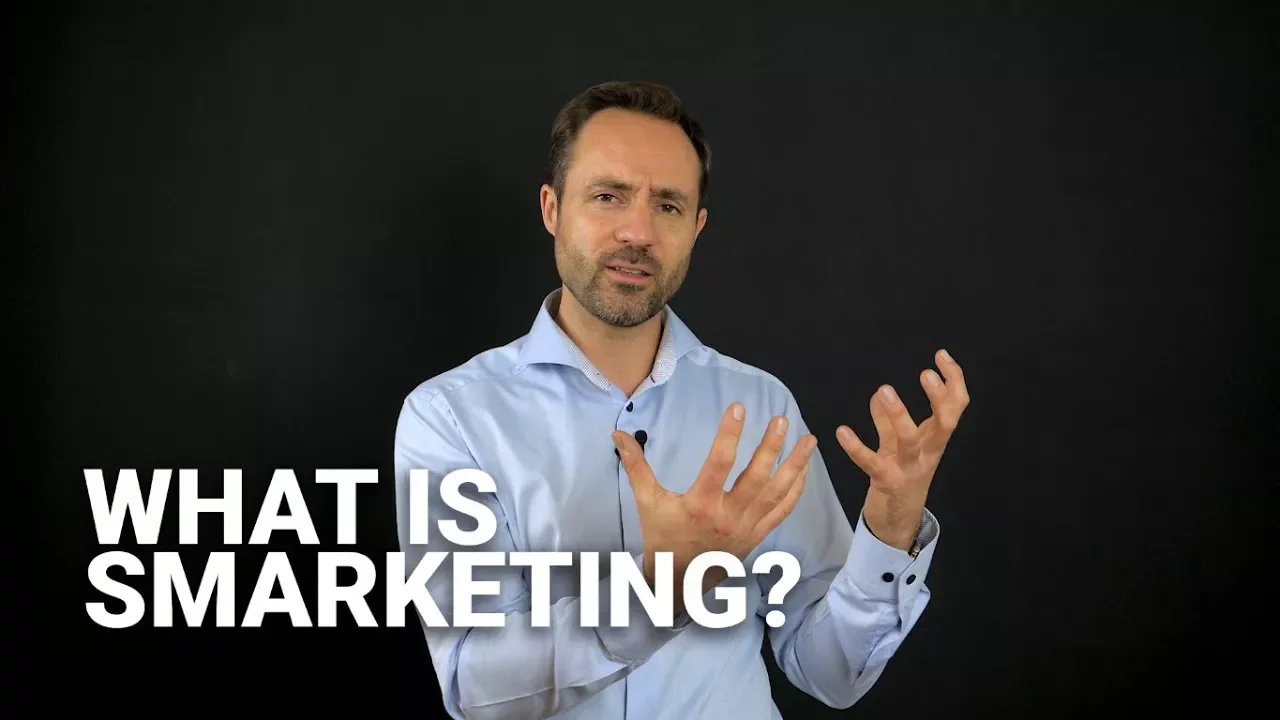
Unlocking the Power of Smarketing: Bridging the Gap Between Sales and Marketing

In today’s fast-paced business landscape, the lines between sales and marketing have become increasingly blurred. The traditional siloed approach to these two critical functions is no longer sufficient to drive sustainable growth. Enter “smarketing” – a revolutionary concept that aims to seamlessly integrate the strengths of sales and marketing to create a powerful, synergistic force. Smarketing, a term coined by the marketing automation powerhouse HubSpot, represents the fusion of sales and marketing strategies, data, and processes. By breaking down the barriers between these two departments, organizations can unlock a wealth of untapped potential, accelerating revenue growth and enhancing the overall customer experience.

The Evolution of Smarketing: From Concept to Competitive Advantage

The rise of smarketing can be attributed to the rapid advancements in marketing technology and the growing importance of data-driven decision-making. As marketing teams have become increasingly adept at collecting and analyzing customer data, they have gained valuable insights into buyer behavior, preferences, and pain points. However, this wealth of information is only truly powerful when it is seamlessly shared and leveraged by the sales team. Traditionally, sales and marketing have operated in silos, with little to no collaboration or alignment. This disconnect often resulted in missed opportunities, inefficient resource allocation, and a suboptimal customer experience. Smarketing aims to bridge this gap by fostering a deep, collaborative relationship between the two departments, ensuring that the insights and strategies developed by marketing are effectively translated into successful sales conversations and outcomes.

The Key Pillars of Smarketing

At the heart of smarketing lies a fundamental shift in mindset and approach. By embracing the principles of smarketing, organizations can unlock a powerful synergy between sales and marketing, leading to increased efficiency, improved customer relationships, and accelerated revenue growth. The key pillars of smarketing include:

1. Shared Goals and Metrics

  • Aligning sales and marketing teams around a common set of objectives and key performance indicators (KPIs).
  • Ensuring that the success of both departments is measured by the same overarching business goals, such as revenue, customer acquisition, and customer retention.
  • Fostering a collaborative environment where sales and marketing work together to develop and execute strategies to achieve these shared goals.

2. Seamless Data and Information Sharing

  • Establishing robust data-sharing protocols and integrating sales and marketing technology stacks to facilitate the flow of information.
  • Providing sales teams with access to valuable marketing data, such as lead scoring, customer profiles, and content engagement metrics.
  • Empowering marketing teams with real-time sales insights, including customer objections, pain points, and successful sales strategies.

3. Collaborative Planning and Execution

  • Involving sales and marketing teams in the development of strategic plans, content creation, and campaign execution.
  • Fostering regular communication and feedback loops to ensure that marketing initiatives are aligned with the needs and experiences of the sales team.
  • Collaborating on the creation of sales enablement materials, such as pitch decks, product demos, and customer case studies.

4. Continuous Optimization and Improvement

  • Regularly reviewing the performance of smarketing initiatives and making data-driven adjustments to improve their effectiveness.
  • Implementing feedback mechanisms to gather insights from both sales and marketing teams, and using these insights to refine strategies and processes.
  • Fostering a culture of continuous learning and adaptation, where both departments are empowered to experiment, test, and iterate on their approaches.

The Benefits of Embracing Smarketing

By embracing the principles of smarketing, organizations can unlock a wealth of benefits that can drive sustainable growth and competitive advantage. Some of the key benefits of smarketing include:

1. Improved Lead Generation and Conversion Rates

When sales and marketing teams work in tandem, they can create a more effective and targeted lead generation strategy. By leveraging the insights and data generated by marketing, sales teams can better identify and prioritize high-quality leads, leading to higher conversion rates and a more efficient sales process.

2. Enhanced Customer Experience

Smarketing enables a more seamless and personalized customer experience, as sales and marketing teams are aligned in their understanding of customer needs, preferences, and pain points. This allows for more tailored and relevant interactions, leading to increased customer satisfaction, loyalty, and advocacy.

3. Increased Revenue and Profitability

By aligning sales and marketing efforts, organizations can achieve greater efficiency, reduce waste, and optimize resource allocation. This, in turn, leads to increased revenue, improved profitability, and a stronger competitive position in the market.

4. Enhanced Collaboration and Organizational Alignment

Smarketing fosters a culture of collaboration and cross-functional alignment, breaking down the traditional silos that often exist between sales and marketing teams. This collaborative mindset can have a positive ripple effect throughout the organization, improving communication, teamwork, and overall organizational effectiveness.

Implementing Smarketing: A Step-by-Step Approach

Transitioning to a smarketing approach requires a strategic and well-executed plan. Here’s a step-by-step guide to help organizations successfully implement smarketing:

1. Assess the Current State

Begin by evaluating the current state of sales and marketing alignment within your organization. Identify areas of collaboration, communication, and data sharing, as well as any existing pain points or challenges. This assessment will help you understand the current landscape and inform the development of your smarketing strategy.

2. Establish Shared Goals and Metrics

Bring together the sales and marketing leadership teams to define a common set of goals and key performance indicators (KPIs). These should be aligned with the overall business objectives and serve as the foundation for your smarketing initiatives.

3. Implement Integrated Technology and Data Sharing

Invest in the necessary technology and systems to facilitate seamless data sharing and collaboration between sales and marketing teams. This may include integrating your customer relationship management (CRM) system with your marketing automation platform, as well as implementing other tools and platforms that enable real-time information exchange.

4. Foster a Culture of Collaboration

Encourage and facilitate regular communication and collaboration between sales and marketing teams. This may involve scheduling joint meetings, cross-training sessions, and team-building activities to help break down silos and foster a shared understanding of each other’s roles and responsibilities.

5. Develop Smarketing Processes and Workflows

Establish clear processes and workflows that outline the responsibilities, handoffs, and feedback loops between sales and marketing teams. This will ensure that the smarketing strategy is consistently executed and that both teams are held accountable for their respective contributions.

6. Continuously Measure and Optimize

Regularly review the performance of your smarketing initiatives, using the shared goals and metrics as a benchmark. Gather feedback from both sales and marketing teams, and make data-driven adjustments to your strategies and processes to ensure continuous improvement and optimization.

Embracing the Future of Sales and Marketing: Smarketing in Action

As the business landscape continues to evolve, the need for a more integrated and collaborative approach to sales and marketing has become increasingly evident. By embracing the principles of smarketing, organizations can unlock a powerful synergy that drives sustainable growth, enhances the customer experience, and strengthens their competitive position in the market. To learn more about smarketing and how it can benefit your organization, I encourage you to explore the resources available on my website, www.michaelhumblet.com. Additionally, you can connect with me on social media to stay up-to-date on the latest trends and insights in the world of sales and marketing. Remember, the future of business success lies in the seamless integration of sales and marketing. By embracing smarketing, you can position your organization for long-term growth and success.

Additional Resources: